Workplace Safety
A safer workplace starts with identifying risks and taking the right steps to address them.
Safety Guidance Built Around Your Workplace
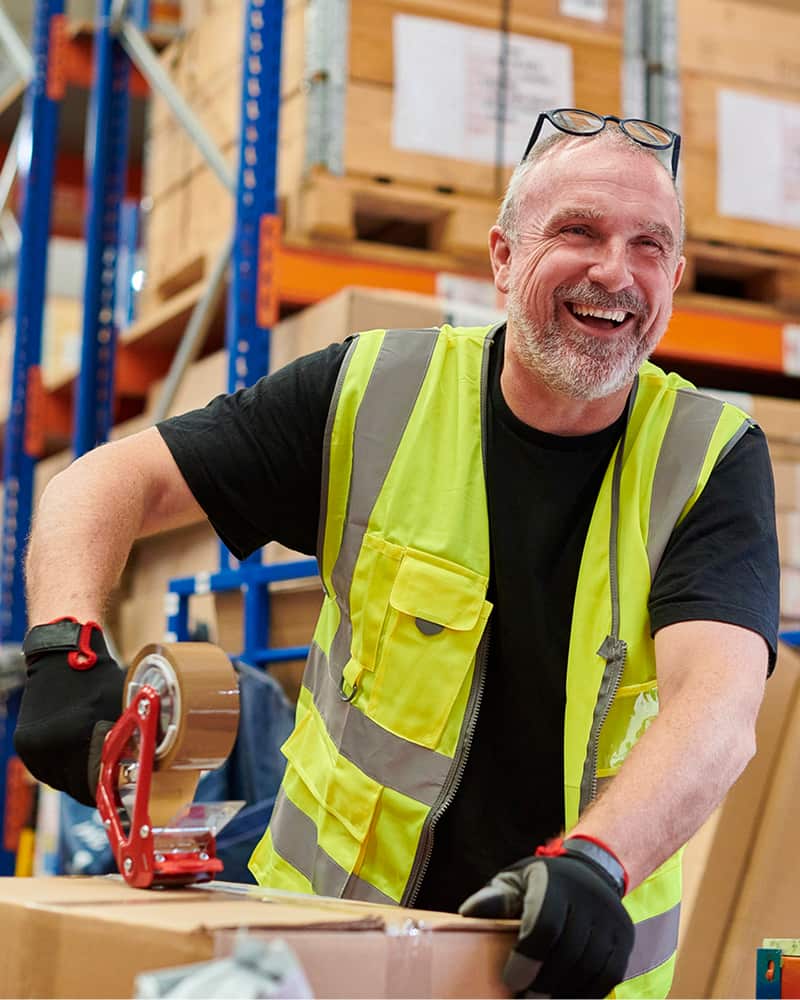
Every workplace has unique risks, routines, and safety challenges. A.I.M. Mutual helps policyholders identify potential hazards and take steps to create a safer work environment.
Our process starts with understanding how each business works. From there, A.I.M. Mutual helps review safety concerns, identify opportunities for improvement, and recommend changes that benefit employees, operations, and long-term safety performance.
For organizations without dedicated safety resources, we can serve as a trusted partner in safety planning. For those with established safety teams, we can provide additional guidance and recommendations as needed.
Workplace Safety & Injury Prevention
A.I.M. Mutual helps policyholders reduce workplace injuries, improve safety performance, and build stronger day-to-day safety habits. Our Injury Prevention & Worksite Wellness (IPWW) Consultants are safety experts.
Support may include analyzing safety trends, identifying root causes, and recommending improvements tailored to the organization’s operations. From compliance readiness to fostering a stronger safety culture, the goal is to help reduce risk, protect employees, and manage workers’ compensation costs.
Identify Risks Earlier
Spot hazards, review safety concerns, and identify areas where injuries may be more likely to occur.
Strengthen Safety Programs
Support employee training, safety communication, compliance readiness, and injury prevention efforts.
Reduce Claims & Disruptions
Address risks before they lead to avoidable injuries, lost time, or business interruptions.
Build Safer Operations
Connect safety recommendations to how work happens every day, so improvements are easier to understand and apply.
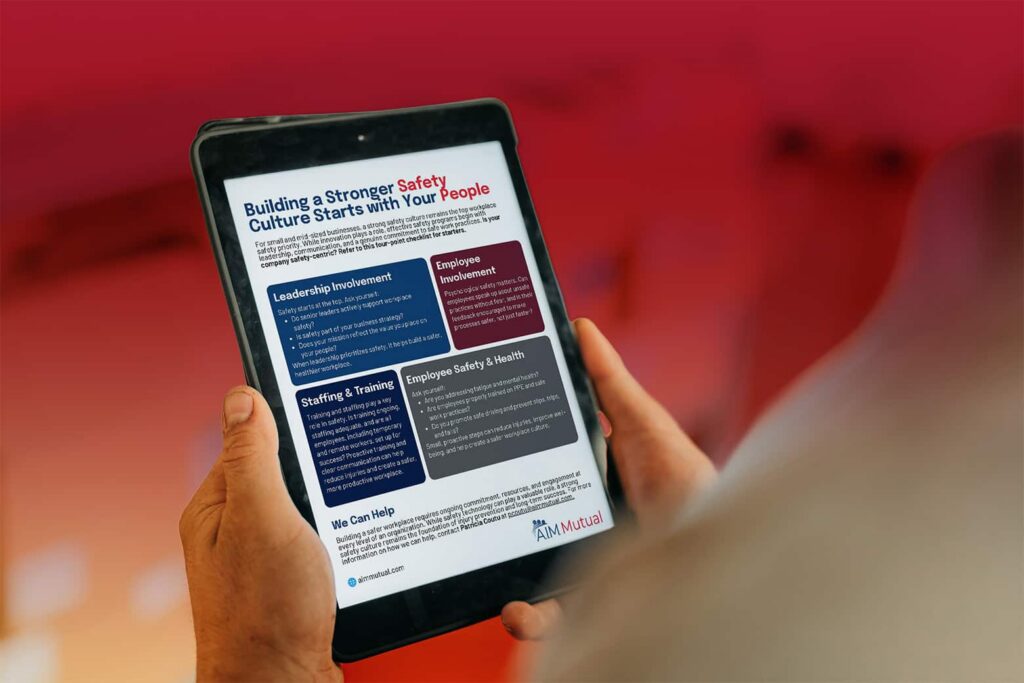
Safety Culture Checklist
Review key areas of your safety program, identify gaps, and strengthen consistent safety habits across your team.
Injury Prevention Guidance for Common Workplace Risks
Explore common safety concerns by industry, with focused tips to help you recognize hazards, support training, and reduce preventable injuries.
Construction
Construction jobsites can change quickly, creating risks around elevated work, equipment movement, electrical exposure, and excavation.
- Fall hazards: Ladders, scaffolds, floor openings, unprotected edges, and protruding materials can lead to serious injuries. Guard openings and edges, use proper fall protection, and inspect ladders and scaffolds before use.
- Electrical hazards: Power lines, buried utilities, cords, and equipment can create severe exposure risks. Identify utilities before digging, keep safe clearance from power lines, and inspect cords and equipment before work begins.
- Trenching and excavation risks: Cave-ins, unstable soil, and limited access points can pose a danger to workers. Use proper trench protection, provide safe access and exit points, and make sure a competent person inspects the work area.
- Struck-by hazards: Vehicles, falling materials, and active work zones can create serious risks. Inspect vehicles and equipment, secure stored materials, and limit access to active work areas.
Healthcare
Healthcare employees may face risks tied to patient care, movement, exposure, workplace violence, and busy walking surfaces.
- Bloodborne pathogens and sharps exposure: Needle use, sharps disposal, and contact with bodily fluids can create exposure risks. Train employees on exposure control, use approved sharps containers, and follow safe handling procedures.
- Patient or resident handling injuries: Lifting, transferring, and repositioning can lead to strains and musculoskeletal injuries. Use safe patient handling practices, available equipment, and clear reporting procedures.
- Combative or confrontational situations: Employees may face risk from patients, residents, clients, or visitors. Strengthen communication around behavioral concerns, review emergency response tools, and train employees in de-escalation.
- Slips, trips, and falls: Wet floors, cords, clutter, and uneven surfaces can cause preventable injuries. Keep walkways clear, clean spills quickly, use signage, and inspect walking surfaces often.
Hospitality
Hospitality teams often work around hot surfaces, sharp tools, wet floors, lifting, and fast-moving service areas.
- Burns: Hot food, steam, boiling water, and heated equipment can cause injuries. Use burn protection, release steam away from the body, and train employees on safe handling procedures.
- Lacerations: Knives, slicers, and other kitchen tools can cause cuts, especially when dull or used incorrectly. Keep knives sharp, replace damaged tools, and require cut-resistant gloves when needed.
- Strains and repetitive-motion injuries: Lifting, reaching, bending, and repetitive work can cause strain over time. Store heavier items between shoulder and hip height, keep frequently used items within easy reach, and review tasks that require repeated motion.
- Slips, trips, and falls: Water, grease, food debris, worn mats, and damaged flooring can create hazards. Inspect floors regularly, clean up spills promptly, replace worn mats, and mark hazards until repairs are made.
General Industry
General industry risks can appear across offices, warehouses, facilities, operations, service settings, and light industrial spaces.
- Caught-in-between and struck-by hazards: Moving equipment, pinch points, falling materials, and unsecured storage can cause serious injuries. Identify pinch points, secure stored materials, set safe stacking limits, and keep employees visible around mobile equipment.
- Falls to the same level: Clutter, cords, damaged flooring, snow, ice, and uneven surfaces can lead to falls. Inspect walkways often, keep paths clear, and repair or mark damaged surfaces.
- Materials handling injuries: Heavy lifting, pushing, pulling, twisting, and awkward storage can strain employees. Use carts, dollies, or lifts for heavy materials, and store items where they can be reached without overextending.
- Workplace violence risks: Public interaction, money handling, isolated work, and late shifts can increase risk. Create reporting procedures, review access controls, and train employees in conflict resolution and de-escalation.
Safety Partners
A.I.M. Mutual policyholders may be eligible to access reduced-cost products, services, training, and resources from Safety Partner vendors. These safety partners can help with workplace safety, injury prevention, emergency response, ergonomics, winter safety, PPE, driver safety, and other needs.
Services, discounts, and availability may vary by vendor. Policyholders should review each vendor’s details for current offerings and pricing.
-
AED Superstore (opens in a new tab)
AEDs, first aid products, CPR/AED training, AED program management, PPE, and emergency response supplies. Policyholders can receive 10% off most orders with code AIM10OFF.
-
American Safety & Supply Inc. (opens in a new tab)
Confined space safety equipment, fall protection, high-visibility clothing, PPE, hazard evaluation, training, and equipment support.
-
ClickSafety (opens in a new tab)
Online safety and compliance training, including OSHA 10 and 30 Outreach Training. Policyholders can receive a 20% general discount with code AIM 20.
-
Ice Guardian (opens in a new tab)
LED warning signs that alert employees and guests to slippery conditions. Policyholders can receive a 10% discount when requesting a quote.
-
MākuSafe (opens in a new tab)
Connected-worker wearable technology and safety analytics designed to help identify risk indicators and improve safety performance. Discounts may apply by program.
-
National Safety Compliance (opens in a new tab)
Workplace safety training products.
-
Network of Employers for Traffic Safety (opens in a new tab)
Road safety resources for employers with drivers. First-year membership is offered at a 20% discount.
-
Shoes for Crews (opens in a new tab)
Slip-resistant footwear designed to help reduce slip and fall injuries. Policyholders can receive a 15% discount on safety footwear.
-
Summit Ergonomics (opens in a new tab)
Ergonomic assessments, product options, installation services, and training. Policyholders can use code AIM10 for an additional 10% off select options.
-
Winter Walking (opens in a new tab)
Ice cleats and traction aids designed to reduce slips and falls in cold weather. Policyholders may receive a discount on orders.

Trusted Safety Resources in One Place
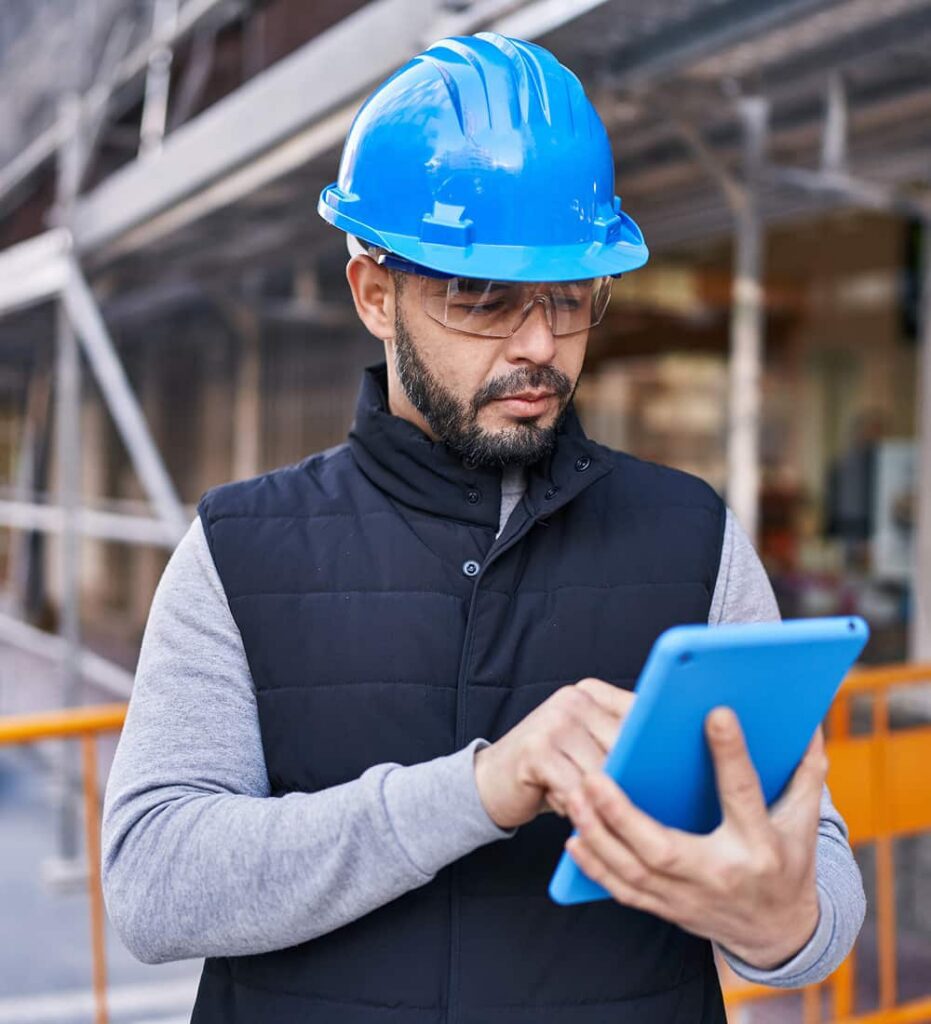
A.I.M. Mutual’s Safety Resources hub gives you quick access to curated workplace safety resources, training tools, compliance guidance, and industry support.
Use the hub to explore resources such as OSHA guidance, toolbox talks, mobile safety tools, industrial hygiene services, Safety Partners, industry resources, and seasonal safety materials.
These links are curated from trusted safety organizations, government agencies, and industry experts to help employers stay informed, prepared, and focused on safer workplaces.
Need Additional Safety Support?

We’re here to help create a safer workplace.
Explore the safety and injury prevention resources above, or connect with A.I.M. Mutual’s Injury Prevention and Worksite Wellness team if you have a specific question. We can help point you toward the right next step, whether you’re reviewing workplace risks, building a safety program, looking for training resources, or working to reduce injuries across your operation.

Important Note
Safety resources are provided for general informational purposes and may not apply to every workplace or situation. Policyholders should review all materials in the context of their own operations, applicable regulations, and safety requirements.
Vendor services, discounts, availability, and program details may change. A.I.M. Mutual policyholders should review individual vendor information for current services and pricing.